

Table of Contents
A customer does not remember every brand they buy from. They remember the brands that made them feel something. And surprisingly, that feeling often has nothing to do with the product itself.
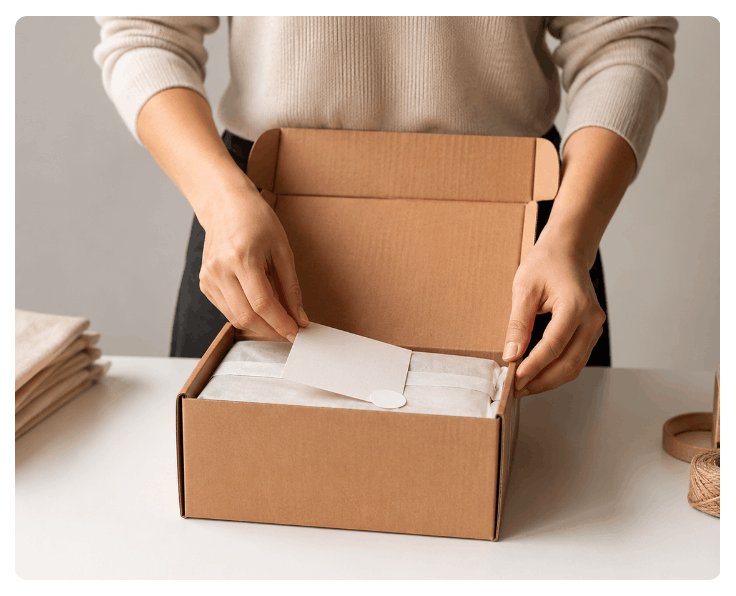
It begins in a much quieter moment, when the package finally arrives at their doorstep after days of tracking updates, anticipation, and tiny bursts of dopamine every time they receive a shipping notification. The customer picks up the box, notices the packaging, tears the tape open, and begins exploring what’s inside. This is the first physical interaction they are having with your brand. No ads. No algorithms. No distractions competing for their attention. Just your packaging and the experience you’ve created around it.
Most eCommerce brands underestimate how important this moment really is.
They spend aggressively on paid marketing, influencer campaigns, retargeting ads, and abandoned cart flows, all to acquire the customer. But once the order is delivered, the experience becomes painfully transactional. Brown box. Product. Invoice. Done. Nothing memorable. Nothing emotional. Nothing that gives the customer a reason to think about the brand again after five minutes.
This is exactly where packaging inserts quietly become one of the most underrated customer retention tools in eCommerce.
Because a good packaging insert does far more than “look nice.” It creates emotion. It adds personality to an otherwise functional shipment. It transforms a delivery into an experience people remember, talk about, and sometimes even share online. In a digital-first world where most customer interactions happen through screens, packaging inserts bring back something brands desperately need today: human connection.
And human connection is what keeps customers coming back.
What Are Packaging Inserts?
Packaging inserts are additional materials included inside a shipment along with the ordered product. Traditionally, brands viewed them as simple add-ons, maybe a coupon card or a thank-you note placed casually inside the package. But over time, packaging inserts have evolved into strategic branding tools that influence how customers perceive your business long after the order is delivered.
Today, packaging inserts can take many forms. Some brands include personalised thank-you notes. Others add referral discounts, social media cards, product usage guides, QR codes, freebies, loyalty rewards, or even playful brand messages designed purely to entertain the customer during unboxing.
What makes packaging inserts powerful is not the insert itself, but the psychology behind it.
When a customer opens a package, they are already emotionally engaged. They are curious, excited, and attentive in a way that rarely happens with digital communication. Think about how many emails people ignore every day. Think about how quickly someone scrolls past an Instagram ad. Now compare that to the attention someone gives while opening a package they have been waiting for.
That attention is valuable. And packaging inserts allow brands to use that attention intelligently.
The best inserts never feel overly promotional. They don’t aggressively scream “BUY AGAIN NOW.” Instead, they subtly deepen the customer’s relationship with the brand. Sometimes through surprise. Sometimes through humour. Sometimes through thoughtful personalisation that makes the customer feel valued rather than processed.
That difference matters more than most brands realise.
Why Packaging Inserts Have Become So Important for eCommerce Brands
Customer acquisition is becoming more expensive every year. Brands are spending heavily just to get noticed online, and even after generating a sale, there is no guarantee the customer will return. This is why retention has become one of the biggest priorities for modern eCommerce businesses.
A returning customer is more profitable, easier to sell to, and significantly more likely to recommend your brand to others. But retention rarely happens automatically. Customers need reasons to remember you in a market flooded with alternatives.
Packaging inserts help create those reasons. What makes them particularly effective is that they operate during a moment of emotional openness. Customers are naturally more receptive during unboxing because the experience feels personal. This is why even small gestures inside a package can create disproportionate emotional impact.
For example, a handwritten-style thank-you note may cost only a few rupees to print, but psychologically, it changes the tone of the entire interaction. Suddenly, the package feels less like a warehouse dispatch and more like something intentionally prepared by people who genuinely care about the customer experience.
Similarly, a cleverly written coupon card feels far more engaging than a generic promotional email because it arrives at the exact moment the customer is already feeling positive about the purchase.
That timing is critical.
Packaging inserts succeed because they communicate with customers when excitement is already at its peak.
Packaging Insert Ideas That Actually Improve Customer Retention
Personalised Thank-You Notes That Feel Human
Most customers can instantly recognise when a brand is trying too hard to sound emotional. Overly polished corporate messaging rarely creates connection. What customers respond to instead is authenticity.
This is why personalised thank-you notes remain one of the most effective packaging inserts despite being incredibly simple.
A thoughtful message inside a package creates an emotional pause during unboxing. It reminds the customer that there are real people behind the brand. Especially for small businesses and D2C brands, this human element can become a major differentiator in markets crowded with faceless competitors.
The key is making the note feel conversational rather than formal.
A line like: “You could’ve ordered from anywhere. We’re really glad you chose us.” feels warmer and more memorable than generic lines like “Thank you for your purchase.”
Some brands also include humour or self-awareness in their notes, which makes the experience feel even more genuine. Customers appreciate brands that sound human instead of robotic.
What makes these notes powerful is not just politeness; it’s emotional retention. When customers feel emotionally acknowledged, they are far more likely to develop positive associations with the brand. And positive emotional memory directly influences repeat purchases.
Discount Coupons That Don’t Feel Desperate
Most brands include discount coupons inside packages, but very few do it intelligently.
The problem is that many coupon inserts feel transactional and predictable. Customers see “10% OFF YOUR NEXT ORDER” so frequently that their brains automatically ignore it. The offer may still work occasionally, but it rarely creates excitement.
The brands that do this well understand that presentation matters as much as the discount itself.
Instead of sounding promotional, clever brands make the coupon feel playful, rewarding, or emotionally engaging. For example:
“Here’s a small bribe for ordering from us again.”
Or:
“Use this before our finance team finds out.”
Humor transforms a boring discount into a memorable brand interaction.
Another effective strategy is including multiple coupons inside the package. One can be for the customer, while another encourages sharing with friends or family members. This quietly converts your packaging insert into a referral mechanism without making it feel aggressively sales-focused.
Psychologically, customers also perceive these offers differently because they arrive physically inside the package rather than digitally through spam-heavy inboxes. The coupon feels like part of the experience instead of an advertisement interrupting it.
That distinction significantly increases engagement.
Freebies and Samples: Small Cost, Massive Emotional Impact
There is something deeply satisfying about receiving more than what you expected.
Even small freebies trigger disproportionate emotional reactions because customers instinctively associate them with generosity and added value. This is why free samples remain one of the oldest, yet most effective, customer retention strategies in retail and eCommerce.
Beauty and skincare brands have mastered this approach for years. Customers ordering a single product often receive multiple tiny samples alongside it. On the surface, it feels like a pleasant surprise. Strategically, however, the brand is introducing customers to products they may eventually purchase in full size.
That is retention marketing disguised as generosity. The beauty of freebies is that they do not always need to be expensive. In fact, thoughtful relevance matters more than cost.
A sustainable brand could include seed paper cards. A fashion brand could add aesthetic stickers or scrunchies. A coffee company could include sample sachets of a new flavour. A stationery brand could surprise customers with bookmarks or mini notepads.
The goal is not simply giving away products.
The goal is to create delight. Because delighted customers are more likely to:
- Remember the brand,
- Recommend it to friends,
- Share the experience online,
- Return without heavy remarketing efforts.
And in customer retention, emotional delight often outperforms aggressive sales tactics.
QR Codes That Create Experiences, Not Just Redirections
Most QR codes inside packaging lead customers to dull instruction manuals or generic homepages. That is a wasted opportunity.
Modern customers are increasingly drawn toward immersive brand experiences, and QR codes can bridge the gap between physical packaging and digital engagement in surprisingly creative ways.
Instead of redirecting customers to something purely functional, brands can use QR codes to deepen emotional engagement. Imagine scanning a QR code and landing on:
- A founder thank-you video,
- Styling inspiration,
- An exclusive playlist,
- Behind-the-scenes content,
- Early product access,
- A hidden reward page.
Suddenly, the insert becomes interactive.
This creates curiosity, which is one of the strongest psychological drivers of engagement. Customers enjoy discovering something unexpected, especially when it feels exclusive or personalised.
Some brands even use QR codes to build communities by directing customers toward private groups, loyalty programs, or interactive challenges. This transforms the post-purchase experience into an ongoing relationship rather than a completed transaction.
And relationships are what drive long-term retention.
Frequently Asked Questions (FAQs)
1. Do packaging inserts really help improve customer retention?
Yes. Packaging inserts enhance the post-purchase experience by creating a memorable unboxing moment. Whether it’s a thank-you note, discount coupon, or free sample, these small additions help customers feel valued, increasing the likelihood of repeat purchases and brand loyalty.
2. What is the best type of packaging insert for eCommerce brands?
There isn’t a one-size-fits-all answer. The most effective packaging inserts are those that align with your brand and customer expectations. Personalised notes, referral offers, exclusive discounts, product guides, and surprise freebies are among the most popular and impactful options.
3. Are packaging inserts expensive to implement?
Not necessarily. Many high-performing packaging inserts, such as thank-you cards, QR codes, or loyalty reminders, can be produced at a relatively low cost. The key is focusing on creativity and customer experience rather than spending heavily on elaborate materials.


Calculate Your Shipping Rates

| Courier Partner | Mode | Chargeable Weight (KG) | Shipping Rates |
|---|

